Oct 17, 2019 Free and low-cost third-party compression apps are available for the Mac, but Mac OS X and macOS both come with a built-in compression system that can zip and unzip files.This integrated system is relatively basic, which is why many third-party apps are also available. A quick look at the Mac App Store revealed more than 50 apps for zipping and unzipping files. Apple Mac users. To clear the files in the Downloads folder from your hard drive in iOS, follow the instructions below. Select Finder from the Dock at the bottom of your desktop.; In the window that appears, select Downloads from the list on the left side of the screen. Clear each of the download history entries by highlighting them and pressing Delete. How to Download a Google Drive Folder on PC or Mac. This wikiHow teaches you how to download a Google Drive folder to a PC or Mac computer. The folder and all of its contents will download in a single ZIP file. You'll need to unzip the ZIP.
How to find your Downloads folder on Mac: 1. Open a new Finder window: 2. Click on the 'Go' Tab at the top 'Downloads' This will show all of your files downloaded from the internet. Apr 30, 2016 Note that command creates a link between a target and source directory.The -s parameter creates a symbolic link. Be sure to change /Volumes/My Passport 1/Downloads/ with the absolute path to your new Downloads folder you created in the new location. In my case, Mac OS gave my external drive the path /Volumes/My Passport 1/ and then I add the /Downloads/ part to the path in the command. Ever wondered where all the downloaded files go on your Mac? By default, most apps will transfer downloaded files into the user Downloads folder. This applies to all downloads to a Mac made from the web with Safari, Chrome, through AirDrop, or from the many file transfer apps out there. The blog highlights useful techniques & tips to recover deleted Mac Download Folder and ultimately get back your precious data. Read on, to know how. The Download Folder is essential in Mac because it contains important data that you have downloaded over the internet.
By default, the files on your Mac are downloaded to the Downloads Folder. In this article, we are showing you how to quickly find the Downloads Folder and access downloaded files on your Mac.
Access Downloaded Files On Mac
In all versions of Mac OS X, the Downloads Folder is located in the users Home directory in a folder labelled as “Downloads”. Hence, the path to the Downloads Folder on your Mac would be /Users/Username/Downloads/
Unless you have changed your browser settings, you should be able to find almost all your Downloaded Files in the Downloads Folder on your Mac.
The only exception being the Apps downloaded from the Mac App Store. These applications will not appear in the Downloads Folder, instead you will find them downloaded to the /Applications Folder on your Mac.
There are multiple ways to access the Downloaded Files on your Mac, we will be taking a look at some of the quickest and most convenient ways to access downloaded files on a Mac.
Access Downloaded Files on Mac From the Dock
By default, the Downloads Folder exists right in the Dock of your Mac.
1. Take a look at bottom of the Mac Screen, you should be able see the Downloads Folder, located on the right side of the Dock near the Trash Can (See image below).
2. Clicking on the Downloads Folder will provide you with access to all the files downloaded to your Mac.
Access Downloaded Files On Mac Using the Finder
Another quick way of accessing the Downloaded Files on your Mac is to make use of the Finder.
1. Click on the Finder Menu icon, this is conveniently located in the Dock near the bottom left corner of your screen.
2. Next, click on the Downloads Folder in the sidebar Menu to access Files that you have downloaded to your Mac.
Find Folders On Mac
Find Downloaded Files on Mac Using Spotlight Search
Sometimes, it is possible for the files to be downloaded to your Desktop, Documents Folder and other unexpected locations on your Mac. In such cases, you may find it more convenient to use the Spotlight Search Feature to locate downloaded files on your Mac.
1. Press the Command + Spacebar Keys on the keyboard of your Mac to bring up the Spotlight Search bar (See image below)
2. Next, type the name of the Downloaded File in the Spotlight Search Bar, and it will bring up the Downloaded File just as you begin to type the Downloaded File’s name.
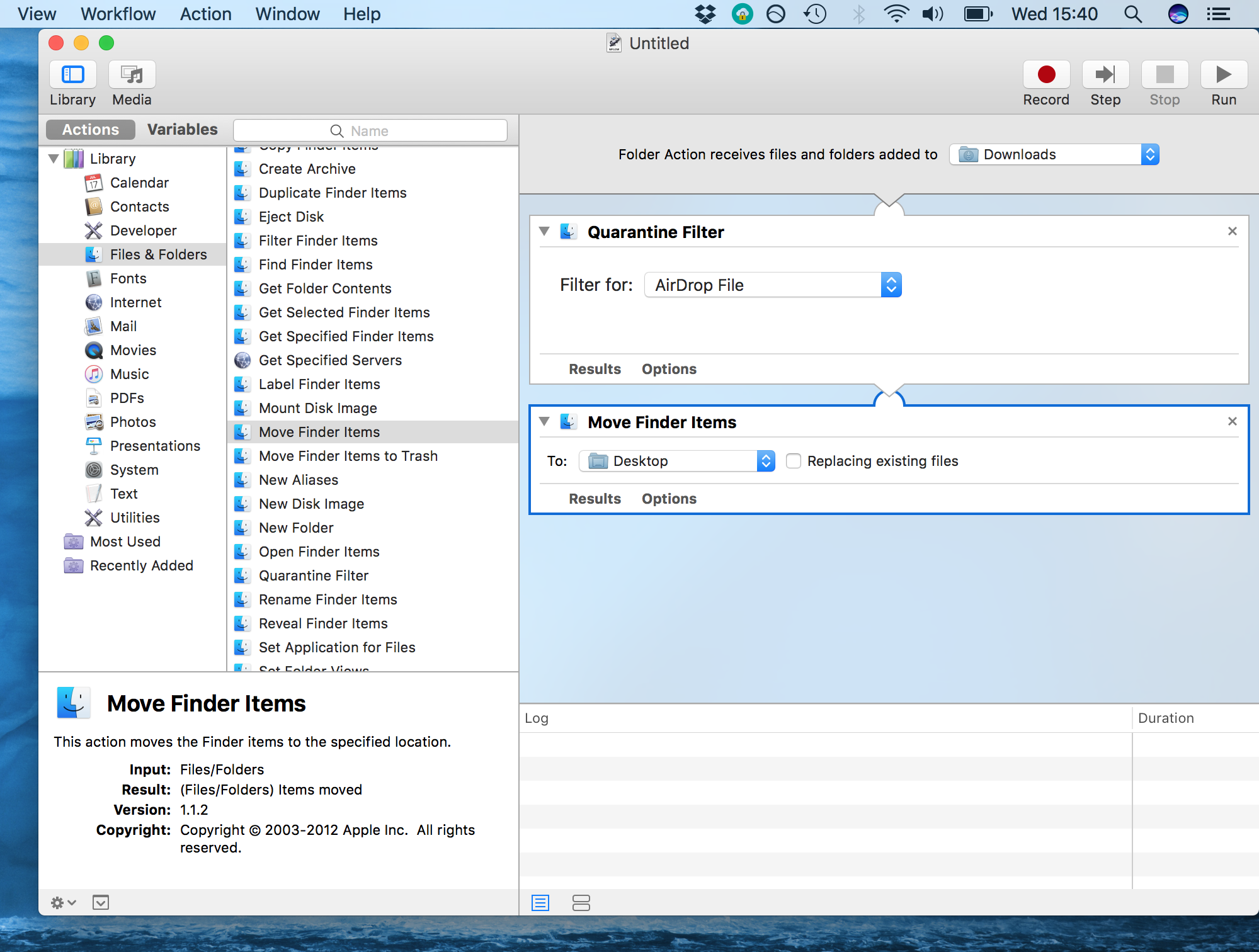
Three types of downloads are available from Adobe.com:
- Current versions of apps for purchase
- Trial downloads
- Previous versions of apps purchased via electronic software download (ESD)
Log in to your Adobe ID account to download an app that you purchased from the Adobe online store, or to download a previous version of an app. A history of your ESD purchases from the Adobe Store is available in your Adobe account.
Note:
Important: If you purchased a previous version of an Adobe software product on disc, you cannot download the app from Adobe.com.
Access your Adobe ID account online, and sign in with your Adobe ID and password.
In the navigation bar at the top, click the Plans tab.
Under Order History, click the order number for the app you are looking for.
On the order page, under Items, find the app you want to download, and click Downloads and serial numbers.
When you download an app from Adobe.com, you choose a location to save the software. If you can’t remember where you saved the files, try the following solutions.
Note:
If you downloaded an app using Internet Explorer 7 on Windows Vista, your download could have been virtualized. See Can’t find or start the download installer.
Check the location where your browser automatically saves downloaded files:
- Internet Explorer (Windows): C:..[user name]My DocumentsDownloads, or C:..[user name]Downloads
- Firefox: Choose Firefox > Preferences (Mac OS) or Tools > Options (Windows). In the General tab, look in the Downloads area. The download location is in the Save Files To setting.
- Safari (Mac OS): Choose Safari > Preferences. In the General tab, the download location is in the Save Downloaded Files To setting.
- Google Chrome: Choose Settings > Advanced. Under Downloads,you can access the Download location setting.
Check the Downloads window (Firefox, Safari, Chrome)
Firefox and Safari track the progress of files they download. If Firefox or Safari (not Akamai Download Manager) managed the download, check the Downloads window for the location of your downloaded files:
- Firefox: Choose Tools > Downloads, or press Ctrl+J (Windows) or Command+J (Mac OS). Right-click (Windows) or Control-click (Mac OS) the downloaded file, and choose Open Containing Folder (Windows) or Show in Finder (Mac OS).
- Safari (Mac OS): Choose Window > Downloads or press Option+Command+L. Control-click the downloaded file and choose Show in Finder.
- Google Chrome: Choose Settings > Downloads or press Ctrl+J. Click the Show in folder link under the downloaded file.
Search your hard disks for the downloaded files using either of the following criteria:
- Look for files modified on the date that you downloaded.
- If you downloaded a CS5 application, look for files that contain CS5. On Windows, you can add wildcards by searching for *CS5*.
Note:
For assistance with searching your hard disk, see the Help files for your operating system.
If Akamai Download Manager on Firefox or Safari managed the download, Akamai Download Manager’s log file of the download session contains the location of the saved download. To use the log file to find your downloaded file, use the steps for your browser and operating system below.
Open %USERPROFILE%.DownloadManager.DMQueue in a text editor such as Notepad.
Look at the top of the log file for the following line: ;LAST_TARGET_FOLDER=[disk location]. For example, this line indicates that the file was saved to your desktop:
;LAST_TARGET_FOLDER=C:Documents and Settings[username]desktop
May 19, 2017 Read reviews, compare customer ratings, see screenshots, and learn more about Adware Zap Browser Cleaner. Download Adware Zap Browser Cleaner for macOS 10.10 or later and enjoy it on your Mac. Browser Cleanup. Browser Cleanup is an award-winning browser cleaner. It is an excellent tool to improve your browser's online experience online. It lets you clean up junk files, cookies, and history, eliminate deceleration reasons, clear privacy traces to protect your confidential data and more. It is performed on Mac OS and Mac OS X.
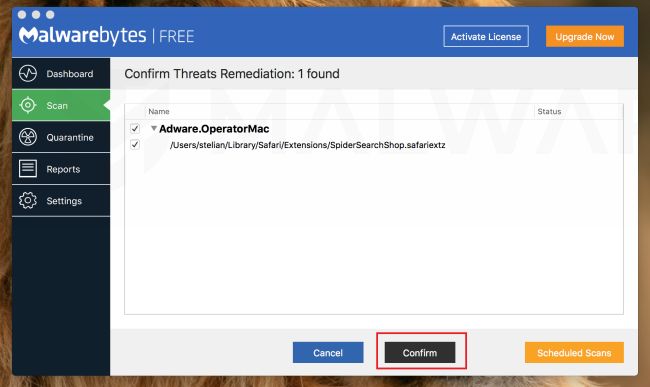 If your Mac is running slow – just run MacProCleaner. It has browser cleaner created specifically for Mac plus utilities to manage cache, memory, trash, etc.
Open Terminal and type the following command: grep LAST_TARGET_FOLDER ~/.DownloadManager/.DMQueue
Look in the Terminal window for the location of the saved file. For example, this line indicates that the file was saved to your desktop:
% grep LAST_TARGET_FOLDER ~/.DownloadManager/.DMQueue ;LAST_TARGET_FOLDER=/Users/[username]/desktop %
Find downloads for Adobe product purchased via Retail
If you purchased an Adobe product via a retail outlet, such as BestBuy or Amazon.com, and no longer have the installation media, you may be able to download your software from the Other Downloads page on Adobe.com.
Where Is My Download Folder
If you can’t find your downloaded file, try the download again. Or, see any of the following for more help, depending on what you are downloading:
You can also visit the Download, install, and setup forum for help from other customers.
More like this
Twitter™ and Facebook posts are not covered under the terms of Creative Commons.
Download Folder On Macbook Air
Legal Notices Online Privacy Policy